




















New York City Personal Injury Lawyer
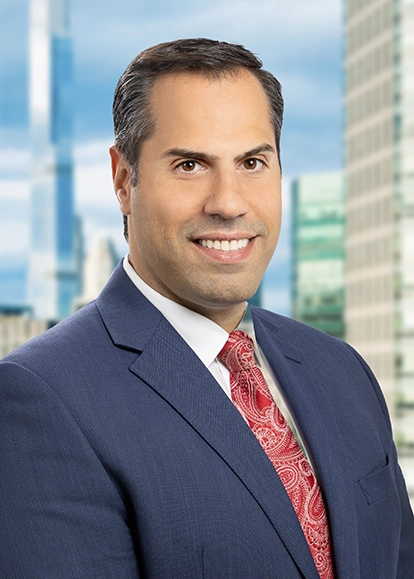
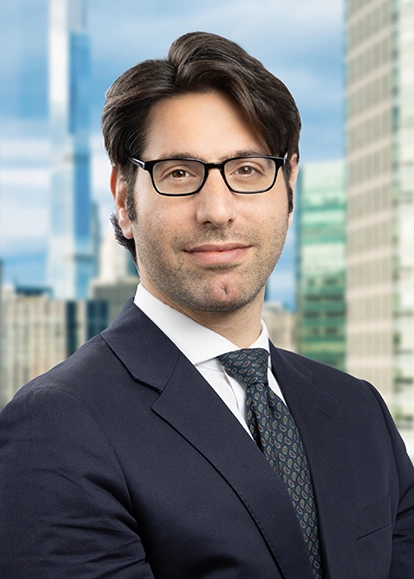
Mark David Shirian P.C. is a New York City law firm built around a straightforward idea: people who have been wronged deserve an advocate who treats their case as if the outcome mattered personally. Founded in 2016 by attorney Mark D. Shirian and joined by attorney Shawn D. Shirian, the firm has recovered millions of dollars for clients across New York City and New York State in injury and civil matters. Every case begins and ends with one of the firm’s attorneys, not a case manager, not an intake file passed down a chain.
That structure exists for a reason. Insurance carriers and their defense counsel operate on volume and on the reasonable assumption that most claimants will accept less than their claim is worth in exchange for resolving things quickly. A New York City personal injury lawyer who knows the file intimately, who has read every medical record and walked the theory of liability, is the counterweight to that assumption. Preparation is what changes the number on the check.
Who We Are
Mark David Shirian P.C. was established with the explicit purpose of representing individuals against parties with more resources, more lawyers, and more incentive to delay. Roughly a decade of practice later, that mission still defines how the firm selects and handles cases.
Mark D. Shirian founded the firm and leads its litigation practice, representing clients who have suffered serious and catastrophic harm as well as clients in a range of civil disputes. Shawn D. Shirian serves as a direct advocate on firm matters from intake forward. Clients regularly describe the same experience: attorneys who catch details others would miss, who return calls, and who pursue the result the client actually wants rather than the one that closes fastest.
The firm handles matters throughout New York State, with a practice centered on the five boroughs and the surrounding metropolitan region.
Injury Matters We Handle
- Car, truck, and motorcycle collisions: including third-party claims that proceed past New York’s no-fault threshold when injuries are serious.
- Pedestrian and cyclist injuries: crosswalk strikes, dooring, right-hook collisions, and crashes involving poorly marked work zones.
- Premises liability and fall injuries: hazardous conditions in retail spaces, residential buildings, stairwells, sidewalks, and common areas.
- Construction and job site accidents: claims arising under New York Labor Law, including elevation-related injuries and site safety failures that reach owners and general contractors.
- Medical malpractice: departures from the accepted standard of care that cause identifiable harm to a patient.
- Defective and dangerous products: design defects, manufacturing defects, and failure-to-warn claims against anyone in the distribution chain.
- Dog bites and animal attacks: owner liability where prior knowledge of dangerous propensities can be established.
- Wrongful death: claims brought by an estate on behalf of surviving family members, including conscious pain and suffering causes of action.
If your situation does not appear on this list, it is still worth a conversation. The firm evaluates civil claims broadly and will tell you candidly whether a claim is viable.
How the Firm Approaches a Case
Investigate before anyone asks. Video is overwritten. Vehicles are repaired. Sidewalk defects get patched. The firm moves early to preserve what will matter later, including surveillance footage, scene conditions, witness accounts, and maintenance or inspection records.
Identify every responsible party. A single incident often involves more than one liable entity, such as a driver and an employer, a tenant and a building owner, or a subcontractor and a general contractor. Available compensation depends heavily on getting this right at the outset.
Build damages, don’t estimate them. Economic losses come from records: bills, wage documentation, and expert projections of future treatment and lost earning capacity. Non-economic losses such as pain, physical limitation, and loss of enjoyment of life have to be demonstrated through evidence that makes the change in a client’s daily reality legible to a jury. New York does not cap these damages in most injury cases, which makes how they are presented consequential.
Prepare as though the case will be tried. Most claims settle. The ones that settle well are the ones where the defense has reason to believe trial is a real possibility.
Where Serious Accidents Happen in New York City
Injury cases in this city are shaped by geography. The same handful of corridors, intersections, and interchanges generate crashes year after year, and the design conditions that make them dangerous often become evidence in a claim. A New York City accident lawyer who understands the specific hazards of a location can frame liability far more effectively than one working from a police report alone.
Manhattan – The FDR Drive and the West Side Highway produce high-speed collisions with limited shoulder space and difficult merge points. Canal Street and the approaches to the Holland Tunnel mix heavy truck traffic with dense pedestrian volume. Broadway, Second Avenue, and Amsterdam Avenue see recurring cyclist and pedestrian injuries, particularly where bike lanes cross turning traffic. Delivery vehicles double parked along commercial blocks force cyclists into moving lanes, a fact pattern that appears constantly in Manhattan bicycle cases.
Brooklyn – The Brooklyn-Queens Expressway, especially the triple cantilever section, is notorious for sudden slowdowns and rear-end chain collisions. Atlantic Avenue, Flatbush Avenue, and Eastern Parkway are wide, fast arterials that cut through residential neighborhoods, a combination that produces severe pedestrian strikes. Fourth Avenue and Linden Boulevard show up repeatedly in serious crash data.
Queens – Queens Boulevard earned its reputation over decades and remains a corridor where pedestrian crossings are long and driver speeds are high. Northern Boulevard, Woodhaven Boulevard, Roosevelt Avenue beneath the elevated train, and the Long Island Expressway all generate significant collision volume. The Van Wyck Expressway and the approaches to JFK and LaGuardia add heavy commercial and for-hire vehicle traffic to the mix.
The Bronx – The Cross Bronx Expressway is among the most congested stretches of highway in the country, with tight ramps, sudden stops, and constant truck presence. The Grand Concourse, Fordham Road, and the Bruckner Expressway corridor account for a large share of borough injury claims.
Staten Island – The Staten Island Expressway, Hylan Boulevard, Richmond Avenue, and the Verrazzano-Narrows Bridge approaches carry the borough’s heaviest traffic and its most serious crashes.
Beyond the roadways, injuries cluster in predictable settings citywide: subway stairwells and platform gaps, construction sites and sidewalk sheds, apartment building entryways and interior stairs, parking garages, supermarket aisles, and building lobbies during rain or snow. Each of these environments carries its own maintenance obligations and its own evidence trail.
The Accident Scenarios We See Most Often
Rear-end and chain-reaction collisions: Stop-and-go highway traffic makes these routine, and they produce more spinal and soft tissue injuries than their appearance suggests. Multi-vehicle chains raise questions about which impacts caused which injuries, which is where thorough medical documentation becomes decisive.
Left turn and failure to yield crashes: A turning driver who does not see an oncoming vehicle, a pedestrian in the crosswalk, or a cyclist in the adjacent lane is one of the most common causes of serious injury in the five boroughs.
For-hire vehicle and rideshare accidents: Taxis, black cars, app-based rideshare vehicles, and delivery drivers occupy a large share of city traffic. These cases involve layered insurance coverage and questions about employment status that can meaningfully change the compensation available.
Commercial truck and box truck collisions: Delivery and freight vehicles operating on residential streets create blind spot dangers, wide turn hazards, and loading zone incidents. Federal and state regulations governing driver hours and vehicle maintenance often supply key evidence.
Falls on stairs and sidewalks: Broken treads, missing handrails, worn nosing, poor lighting, and accumulated water or ice generate a steady volume of premises claims. Establishing that the owner knew or should have known about the condition is usually the central battleground.
Falls from height on construction sites: Scaffolding failures, unsecured ladders, open floor openings, and missing fall protection are the classic elevation-related claims under New York Labor Law, and they frequently involve catastrophic injury.
Falling object injuries: Materials dropped from scaffolds, hoists, or upper floors injure both workers and passersby, a genuine risk in a city with construction sheds on nearly every other block.
Subway and bus incidents: Platform falls, door malfunctions, sudden stops, escalator failures, and collisions involving city buses raise public authority procedures that must be handled correctly and quickly.
Deadlines That Affect New York Injury Claims
Most personal injury actions in New York carry a three-year statute of limitations running from the date of injury. That is the outer boundary, not a target. Cases investigated within weeks of an incident are meaningfully stronger than cases investigated within months.
Claims involving a municipality or public authority, including a city vehicle, a defective public sidewalk, or an MTA or New York City Transit incident, are governed by a much shorter clock. A Notice of Claim is generally required within 90 days of the event, and missing it usually ends the claim regardless of its merits. Wrongful death actions, medical malpractice claims, and claims involving minors follow their own timing rules. If there is any question about which deadline applies to you, that alone is reason to call our NYC injury lawyers.
Comparative Fault and What It Means for You
New York applies pure comparative negligence. Being partly responsible for an accident does not bar recovery; it reduces the award by your share of fault. A plaintiff found 25 percent responsible with $200,000 in damages recovers $150,000. Insurers understand this rule well and routinely argue for the highest defensible fault percentage they can support. How liability is documented in the first weeks after an incident is often what determines whether that argument succeeds.
Frequently Asked Questions About New York City Injuries
How much is my New York City personal injury case worth?
No attorney can responsibly answer this at a first meeting, and you should be skeptical of one who does. Value depends on the severity and permanence of the injury, the medical treatment required, income lost now and in the future, the strength of liability evidence, the available insurance coverage, and the venue where the case is filed. What an attorney can do early is identify which of those factors are strong in your case and which need development.
What does it cost to hire Mark David Shirian P.C.?
Nothing up front. Personal injury cases are handled on a contingency fee basis, meaning the fee comes out of a recovery and there is no fee if there is no recovery. Case evaluations are confidential and free.
How long do I have to file a personal injury claim in New York?
Generally three years from the date of injury for negligence claims. Medical malpractice claims, wrongful death actions, and claims against government entities operate on different and often much shorter timelines. Claims against New York City or the MTA typically require a Notice of Claim within 90 days.
Should I speak to the other driver’s insurance company?
Not without counsel. Adjusters request recorded statements early precisely because injured people tend to minimize symptoms before the full extent of an injury is known, and because casual phrasing can be used later to support a comparative fault argument. You are not obligated to give a recorded statement to another party’s insurer.
Do I have a case if I was hit by a car while crossing outside a crosswalk?
Possibly. Pure comparative negligence in New York means fault can be shared without eliminating recovery. Drivers retain a duty to exercise reasonable care regardless of where a pedestrian is crossing, and factors such as speed, visibility, distraction, and signal timing all remain relevant.
What if I was injured at work in New York City?
Workers’ compensation is generally the exclusive remedy against your employer, but it does not prevent a third-party claim against another responsible party such as a property owner, general contractor, equipment manufacturer, or negligent driver. Construction workers in particular often have both. Coordinating the two proceedings correctly matters, because the compensation carrier will assert a lien against any third-party recovery.
How long will my case take?
Cases with clear liability and defined injuries can resolve in under a year. Complex matters involving disputed liability, multiple defendants, or catastrophic injuries often run two to four years, particularly through full discovery and trial preparation. Court backlogs in the New York City Supreme Court system affect scheduling as well.
What if I already have medical bills piling up?
In motor vehicle cases, New York no-fault coverage pays initial medical expenses and a portion of lost wages regardless of who caused the crash, though applications must be submitted within a short window. In other case types, health insurance, Medicare, Medicaid, or provider arrangements typically carry treatment costs during the case, with reimbursement addressed out of the eventual recovery.
Can I still bring a claim if the person who injured me had no insurance?
Often yes. Uninsured and underinsured motorist coverage on your own auto policy, or on a resident relative’s policy, may apply. Other defendants may also carry coverage, such as a vehicle owner distinct from the driver, an employer, or a property owner. Identifying every available policy is part of the early investigation.
Do I have to go to court?
Most clients never testify at trial, because most cases settle. You may be required to sit for a deposition and attend an independent medical examination during discovery. Our New York injury attorneys prepare clients thoroughly for both, and prepares every case as though a trial will happen, which is generally what produces a stronger settlement.
Where the Firm Practices
Mark David Shirian P.C. represents injured clients across Manhattan, Brooklyn, Queens, the Bronx, and Staten Island, with cases filed in New York County, Kings County, Queens County, Bronx County, and Richmond County Supreme Court depending on where the incident occurred and where the parties are located.
The firm’s reach extends into Nassau County and Westchester County, including Hempstead, Garden City, Mineola, Great Neck, Yonkers, White Plains, Mount Vernon, and New Rochelle, and it accepts matters from Suffolk County, Rockland County, and other parts of the greater New York region.
Fees and Consultations
Case evaluations are confidential and cost nothing. Personal injury matters are handled on a contingency fee basis, which means no attorney’s fee unless a recovery is obtained. Whether you can afford a lawyer should never determine whether you pursue a legitimate claim.
Speak With a New York Injury Lawyer Today
A serious injury reorganizes a person’s life around medical appointments, lost income, and uncertainty about what recovery will look like. You do not have to navigate the legal side of that alone, and you should not have to negotiate with an insurance company on your own.
Contact Mark David Shirian P.C. for a confidential case evaluation. A New York City personal injury attorney will review what happened, explain what your claim may realistically be worth, and tell you what the next step should be.