

Scaffold Accidents During High Winds in New York City: Who Can Be Held Liable?
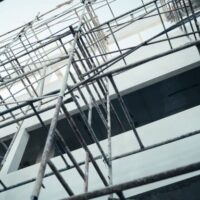
High winds and severe storms can turn scaffolding on New York City construction sites into a serious safety hazard. Strong gusts may cause an improperly secured scaffold to sway, shift away from a building, or collapse. Workers can fall from elevated platforms, while unsecured tools, building materials, and scaffold components may strike pedestrians or vehicles below.
Severe weather does not automatically excuse a scaffold failure. New York City has specific wind restrictions for scaffolding, and New York Labor Law provides important protections for construction workers injured in elevation-related accidents. Property owners and contractors may face liability if inadequate safety measures contribute to an accident, even during a storm.
Following a weather-related scaffold accident, an experienced New York City scaffolding accident lawyer can help determine whether violations of construction safety laws or negligent worksite conditions contributed to the injuries.
How High Winds Can Cause Scaffold Failures
Scaffolding provides elevated access for construction, repair, and façade restoration work, but its stability depends on proper installation, anchoring, and maintenance. Strong winds place additional pressure on platforms, supports, and connections to nearby buildings.
Suspended scaffolds may sway or pull away from a building during sudden gusts. Supported scaffolds can become unstable if their braces, tie-ins, or anchoring systems are inadequate. Loose planks, tools, and construction materials also present hazards when exposed to severe weather.
These conditions are especially concerning on tall buildings, where wind speeds and turbulence can differ from those at street level. Exterior construction and façade restoration projects throughout Manhattan, Brooklyn, and other New York City boroughs frequently involve scaffolding exposed to changing weather conditions.
A complete collapse is only one way a scaffold can cause an injury. Sudden platform movement may throw a worker off balance, while shifting components or unsecured materials can fall onto occupied sidewalks and surrounding streets.
New York City’s Wind Restrictions for Scaffolding
New York City Building Code § 3314.4.4.6 establishes wind restrictions for scaffolds located on rooftops, building exteriors, working decks, and areas with unenclosed perimeters.
The code requires scaffold installation, repair, maintenance, adjustment, use, operation, and removal to cease when sustained winds or gusts at the site exceed 30 miles per hour. The scaffold must also be secured. A lower wind threshold specified by the manufacturer or designer takes precedence.
Scaffold operations also cannot begin if the forecast indicates that the work cannot be completed safely and the structure secured before winds exceed the applicable limit.
Federal OSHA regulation 29 CFR § 1926.451(f)(12) addresses work on scaffolds during storms or high winds. It prohibits such work unless a competent person determines that conditions are safe and workers have the required fall protection or properly secured wind screens. Applicable New York City restrictions must also be followed.
Scaffold stability remains a concern after work stops. NYC Building Code § 3314.4.4 requires scaffolds and materials to remain secure against collapse, overturning, and falling objects. The New York City Department of Buildings also advises construction sites to secure scaffolding and sidewalk sheds in preparation for severe weather.
New York Labor Law § 240(1) and Injured Construction Workers
New York Labor Law § 240(1), commonly known as the Scaffold Law, provides special protections for workers engaged in qualifying construction, demolition, repair, alteration, painting, and certain other building-related activities.
The statute requires covered property owners, contractors, and their agents to provide appropriate safety devices against elevation-related hazards. These protections include scaffolds, braces, ropes, and other equipment necessary to perform covered work safely.
A worker injured when a scaffold shifts, sways, or collapses during high winds may have a claim under § 240(1) if inadequate safety protection caused the accident. Covered owners and contractors may face liability even without personally directing the worker’s activities, provided the statutory requirements are established.
In Interiano v. Silverstein Galaxy Property Owner, LLC (2025), a worker was injured while performing exterior demolition on a suspended scaffold in Manhattan. The scaffold had not been tied to the building, and the worker had repeatedly complained about its movement in windy conditions.
Wind and vibrations from nearby drilling caused the scaffold to sway again, throwing the worker off balance. The Appellate Division, First Department, upheld summary judgment in her favor under Labor Law § 240(1), finding that the scaffold had failed to provide adequate protection against the elevation-related hazard.
Can Property Owners and Contractors Blame Severe Weather?
High winds may contribute to a scaffold accident, but weather alone does not establish that the resulting injuries were unavoidable. New York courts have examined whether proper anchoring, inspections, and other safety precautions could have prevented an accident.
In Whitted v. One Hudson Yards Owner, LLC (2021), a worker was injured after wind caused a scaffold to move away from a building and strike it repeatedly. The defendants argued that the wind was an unforeseeable event.
The court rejected that argument. Evidence showed that checking wind conditions was part of determining whether scaffold work could proceed safely. The scaffold had also moved repeatedly before the accident, indicating that its instability was a recognized hazard.
The court found that the scaffold failed to provide adequate protection under Labor Law § 240(1). The defendants’ attempt to characterize the wind as an extraordinary natural event did not defeat the worker’s claim.
The weather conditions, scaffold design, anchoring, and warnings available before an accident may all be relevant to a liability dispute. A sudden storm may raise different factual questions from a scaffold failure that followed repeated warnings about instability.
Scaffold Failures That Injure Pedestrians or Damage Vehicles
Scaffold failures can also endanger people outside the construction site. Falling metal poles, planks, tools, or façade materials may strike pedestrians, cyclists, parked vehicles, or moving traffic along New York City’s busy streets.
A pedestrian injured by falling scaffold components generally would not have a claim under Labor Law § 240(1), which protects qualifying workers engaged in covered activities. Instead, the case may involve negligence or premises liability based on the responsibility to maintain reasonably safe conditions around the property.
Property owners, contractors, scaffold companies, and other parties may face claims if their negligent conduct contributed to the accident. Inadequate anchoring, unsecured materials, defective equipment, or failures to follow applicable building safety requirements may become relevant.
These claims generally require evidence that a responsible party breached a legal duty and that the breach caused the injuries. The circumstances of the scaffold failure, applicable safety regulations, and evidence of prior warnings may help establish liability.
A driver whose vehicle is damaged by falling scaffold debris may also have a property damage claim. If the collision causes physical injuries, additional damages may be available under the applicable negligence rules.
Evidence That May Establish Responsibility for a Weather-Related Scaffold Accident
The condition of a scaffold before a storm often becomes central to determining responsibility. Inspection reports, installation plans, maintenance records, and photographs may reveal whether the structure was properly secured or had a history of instability.
Weather records can establish wind speeds and forecasts around the time of the accident. Under NYC Building Code § 3314.4.4.6, wind speed is determined using data from the nearest United States weather bureau reporting station or a properly exposed and calibrated on-site anemometer.
Construction logs, supervisor communications, and previous complaints may also establish whether safety concerns were raised before the failure. Witness accounts and surveillance footage can provide additional information about the scaffold’s movement and the circumstances of the accident.
Damaged scaffolding may be dismantled or repaired soon after a collapse, making the original condition more difficult to examine. Evidence of anchoring systems, structural connections, and fallen components can be particularly important when the cause of the failure is disputed.
Compensation for Injuries Caused by Weather-Related Scaffold Accidents
Scaffold accidents can cause fractures, spinal cord injuries, traumatic brain injuries, and permanent physical limitations. Recovery may involve surgery, rehabilitation, and extended time away from work. Serious injuries can also affect a person’s independence and ability to manage everyday responsibilities.
A successful personal injury claim may provide compensation for medical expenses, lost earnings, diminished earning capacity, future treatment costs, and pain and suffering. The nature of the claim depends on whether the injured person was performing qualifying construction work or was a member of the public affected by unsafe scaffolding.
Construction workers may have separate workers’ compensation benefits through their employment. These benefits are distinct from personal injury lawsuits against legally responsible third parties, including property owners and contractors. The relationship between available remedies depends on the circumstances of the accident.
The applicable safety laws, the cause of the scaffold failure, and the parties responsible can affect the compensation available. Guidance from a knowledgeable New York City scaffolding accident lawyer can help establish whether failures in weather precautions or scaffold safety measures support a personal injury claim.
Contact Mark David Shirian P.C. for a Free Consultation
If you or a loved one has been injured when a scaffold collapsed, shifted, or became unstable during high winds in New York City, you may be facing serious medical treatment, lost income, and uncertainty about your recovery. Construction workers and members of the public can suffer devastating injuries when scaffold safety measures fail during severe weather.
At Mark David Shirian P.C., we understand the lasting impact a serious scaffold accident can have on you and your family. We are committed to providing attentive, personalized representation to injured New Yorkers. Contact Mark David Shirian P.C. today for a free consultation with an experienced New York City scaffolding accident lawyer and learn how we can help you pursue compensation for injuries caused by unsafe scaffolding during severe weather. Call the firm at 212-931-6530.
Sources:
- New York City Building Code — § 3314.4.4.6, Winds
https://codelibrary.amlegal.com/codes/newyorkcity/latest/NYCadmin/0-0-0-187090 - New York City Building Code — § 3314.4.4, Scaffold Stability and Safety Requirements
https://codelibrary.amlegal.com/codes/newyorkcity/latest/NYCadmin/0-0-0-187086 - Occupational Safety and Health Administration — 29 CFR § 1926.451, General Requirements for Scaffolds
https://www.law.cornell.edu/cfr/text/29/1926.451 - New York State Senate — Labor Law § 240, Scaffolding and Other Devices for Use of Employees
https://www.nysenate.gov/legislation/laws/LAB/240 - New York State Appellate Division — Interiano v. Silverstein Galaxy Property Owner, LLC (2025)
https://www.nycourts.gov/reporter/3dseries/2025/2025_00159.htm - New York State Unified Court System — Whitted v. One Hudson Yards Owner, LLC (2021)
https://www.nycourts.gov/Reporter/3dseries/2021/2021_51038.htm - New York City Department of Buildings — Winterizing Construction Sites
https://www.nyc.gov/site/buildings/safety/winterizing-construction-sites.page