

E-Bike and Electric Scooter Accidents Raise New Liability Questions on New York City Streets
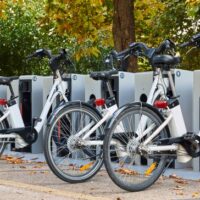
Electric bikes and electric scooters have become a regular part of traffic throughout New York City. Commuters, delivery riders, pedestrians, cyclists, and drivers increasingly share the same intersections, bike lanes, curb areas, and crowded streets. A collision may involve a rider, driver, pedestrian, delivery company, or vehicle owner, with each playing a different role in how the crash occurred.
Turning vehicles, pedestrian conflicts, delivery traffic, and collisions within bike lanes create very different questions about who caused the crash. The e-bike or scooter itself may show whether speed, classification, or modifications contributed to the collision. Working with an experienced New York City e-bike accident lawyer can help identify who contributed to the crash and what evidence could support a claim for serious injuries and other losses.
Device Classification Can Change the Liability Analysis
New York law recognizes three classes of bicycles with electric assist. Under Vehicle and Traffic Law § 102-c, Class 1 and Class 2 e-bikes provide motor assistance up to 20 miles per hour, while Class 3 e-bikes, which are recognized in New York City, can provide assistance up to 25 miles per hour. Class 1 bikes use pedal assistance, while Class 2 and Class 3 bikes can use a throttle, with different limits on motor-assisted speed.
Since October 24, 2025, New York City has limited e-bikes, electric scooters, and pedal-assist commercial bicycles to 15 miles per hour on city streets. A Class 3 e-bike can therefore be capable of greater motor-assisted speed than a rider is legally permitted to use in the city.
Modifications can make the bike’s legal classification less clear after a serious e-bike crash. Changes to a motor, controller, throttle, battery system, or software settings may alter the vehicle’s speed or power. Photos, manufacturer specifications, repair records, and the condition of the components can show the bike’s actual power, speed capability, and configuration at the time of the accident.
Turning Vehicles, Bike Lanes, and Curbside Crashes
E-bike riders often travel beside cars and trucks with only a painted or protected bike lane separating them. A driver turning across that lane can cut directly through a rider’s path. Vehicles entering a loading zone, pulling away from the curb, or double-parking can create similar conflicts with little room for an e-bike rider to avoid impact.
Busy Manhattan avenues often place bike traffic alongside turning vehicles, commercial deliveries, taxis, and heavy pedestrian traffic within the same narrow corridor. Storefront and building surveillance footage may show the driver’s turn, the rider’s position in the bike lane, traffic-signal timing, or an obstruction that limited visibility.
New York Vehicle and Traffic Law § 1214 prohibits opening a vehicle door into moving traffic unless it is reasonably safe. After a dooring crash, the parked vehicle’s position, surveillance footage, witness accounts, and impact damage may show when the door opened and whether the rider had any meaningful opportunity to avoid it.
Electric Scooter Accidents Present Different Collision Patterns
Electric scooters share many New York City bike lanes with e-bikes, but their smaller wheels and shorter wheelbase respond differently to pavement defects, debris, utility covers, and sudden evasive movements. Their narrow profile can also make a scooter rider difficult for a turning driver to see until the vehicles are already close together.
Vehicle and Traffic Law § 1282 requires electric scooter riders to yield to pedestrians, limits scooter operation to 15 miles per hour, and generally prohibits riding on sidewalks. A rider who enters a sidewalk, fails to yield in a crosswalk, or exceeds the city speed limit may face allegations that the rider’s own conduct contributed to the collision.
A vehicle may force a scooter rider from a bike lane, strike the rider while turning, or leave too little room for the rider to avoid a sudden hazard. The scooter’s damage, wheel condition, brakes, and position after impact may reveal how the crash occurred, making preservation of the device important before it is repaired or discarded.
Delivery Work Can Bring Businesses Into an E-Bike Claim
Delivery riders account for a highly visible share of New York City’s e-bike traffic. Restaurant districts and residential neighborhoods in Brooklyn, for example, generate constant movement between storefronts, apartment buildings, intersections, and curbside pickup areas. When a rider is making a delivery, responsibility may also involve the restaurant, courier company, or app-based business connected to the trip.
App records can show whether a delivery had been accepted, where the rider was headed, and when the trip began. Communications, payment records, delivery instructions, and ownership of the e-bike may show how much control a restaurant, courier company, or app-based business exercised over the rider’s work. If a business supplied the bicycle, maintenance records may also show whether defective brakes, steering problems, worn tires, or another mechanical condition contributed to the e-bike accident.
Responsibility depends more heavily on how deliveries were assigned, how the rider was paid, who supplied the equipment, and what control the business exercised over the work. Those details may become especially important when a delivery rider injures a pedestrian, cyclist, or another person while completing an app-based trip.
Insurance Coverage Depends on Who Was Involved
An e-bike or electric scooter accident does not always come with an obvious source of insurance. Unlike a conventional car accident, a collision involving two micromobility devices or a rider and pedestrian may not involve a registered vehicle carrying an automobile liability policy.
A crash caused by a car, truck, taxi, or other insured motor vehicle may bring automobile insurance into the claim. A delivery company or other business involved in the crash may carry separate commercial coverage. A collision involving a pedestrian or another rider may instead lead to homeowner’s, renter’s, business, or specialized liability coverage.
Several policies may apply to the same e-bike collision when a motor vehicle, delivery business, employer, or other insured party is involved. For someone facing surgery, extended rehabilitation, or months away from work, identifying every applicable policy may make a significant difference in the compensation available.
Preserving Evidence After an E-Bike or Scooter Accident
Evidence from a New York City street can disappear quickly. Storefront surveillance systems overwrite recordings, vehicles are repaired, damaged e-bikes are discarded, and temporary street conditions change. Construction barriers, parked trucks, delivery vehicles, or curbside activity that affected visibility on the day of the accident might be gone before the location is investigated.
The damaged e-bike or scooter may be one of the most important pieces of physical evidence. Its condition may reveal braking problems, impact points, modifications, or components affecting speed and handling.
Early guidance from a knowledgeable New York City e-bike accident lawyer can help preserve the device, secure available video, and document the street conditions before that evidence disappears.
Contact Mark David Shirian P.C. for a Free Consultation
A serious e-bike or electric scooter accident can leave a rider or pedestrian dealing with painful injuries, substantial medical treatment, lost income, and uncertainty about who should be held responsible. Questions about insurance and responsibility can add another burden while someone is recovering from serious e-bike injuries.
Mark David Shirian P.C. represents people injured in e-bike and electric scooter accidents throughout New York City. Contact the firm to speak with an experienced New York City e-bike accident lawyer and learn how we can help protect your right to pursue compensation after a serious crash.
Sources:
- New York City Department of Transportation, Electric Bicycles & More
nyc.gov/html/dot/html/bicyclists/ebikes.shtml - New York City Department of Transportation, Speed Limits for E-Bikes, E-Scooters, and Pedal-Assist Commercial Bicycles
rules.cityofnewyork.us/rule/speed-limits-for-e-bikes-e-scooters-and-pedal-assist-commercial-bicycles/ - New York State Senate, Vehicle and Traffic Law § 102-c, Bicycle with Electric Assist
nysenate.gov/legislation/laws/VAT/102-C - New York State Senate, Vehicle and Traffic Law § 1214, Opening and Closing Vehicle Doors
nysenate.gov/legislation/laws/VAT/1214 - New York State Senate, Vehicle and Traffic Law § 1282, Operating Electric Scooters
nysenate.gov/legislation/laws/VAT/1282